
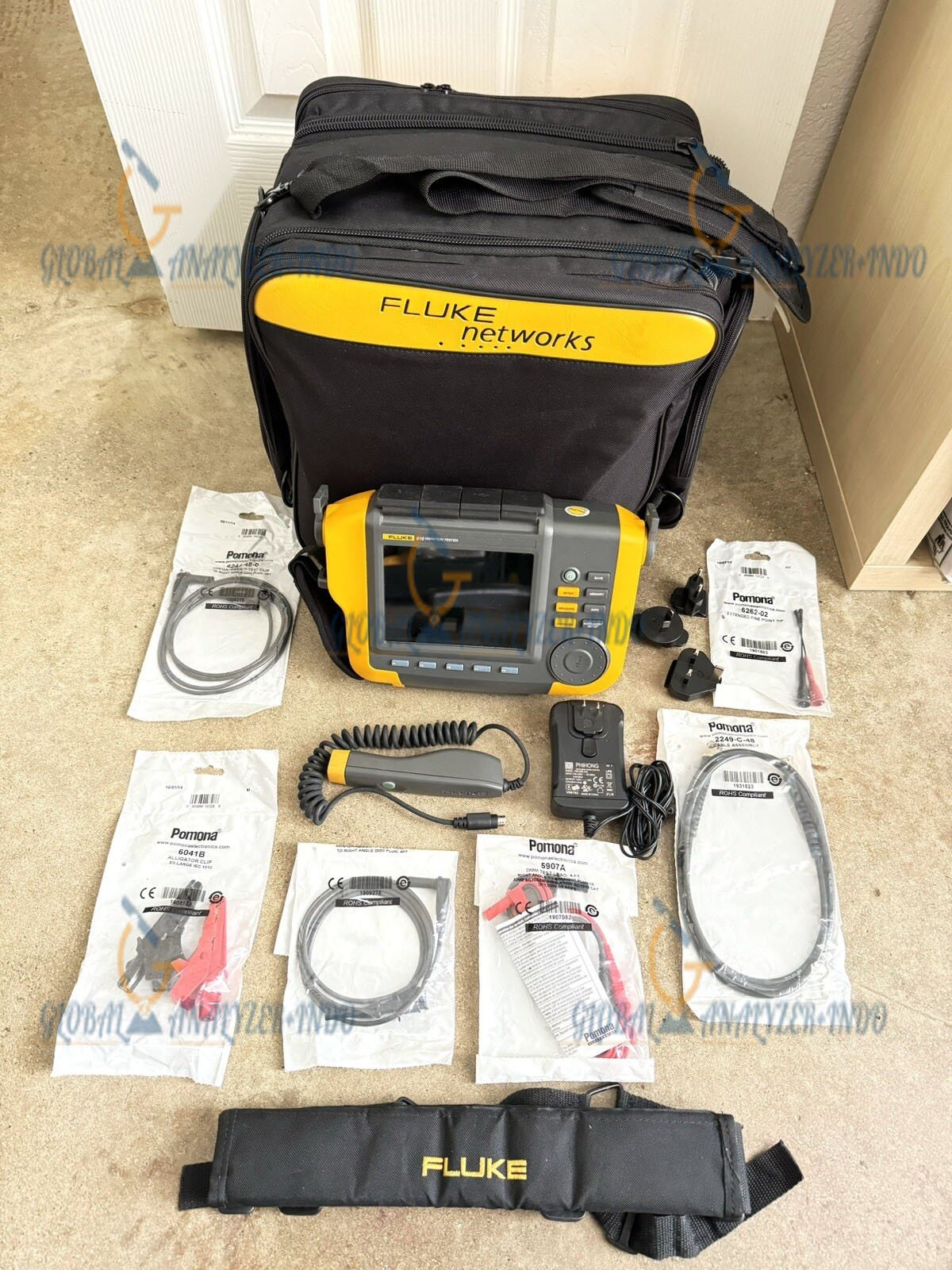
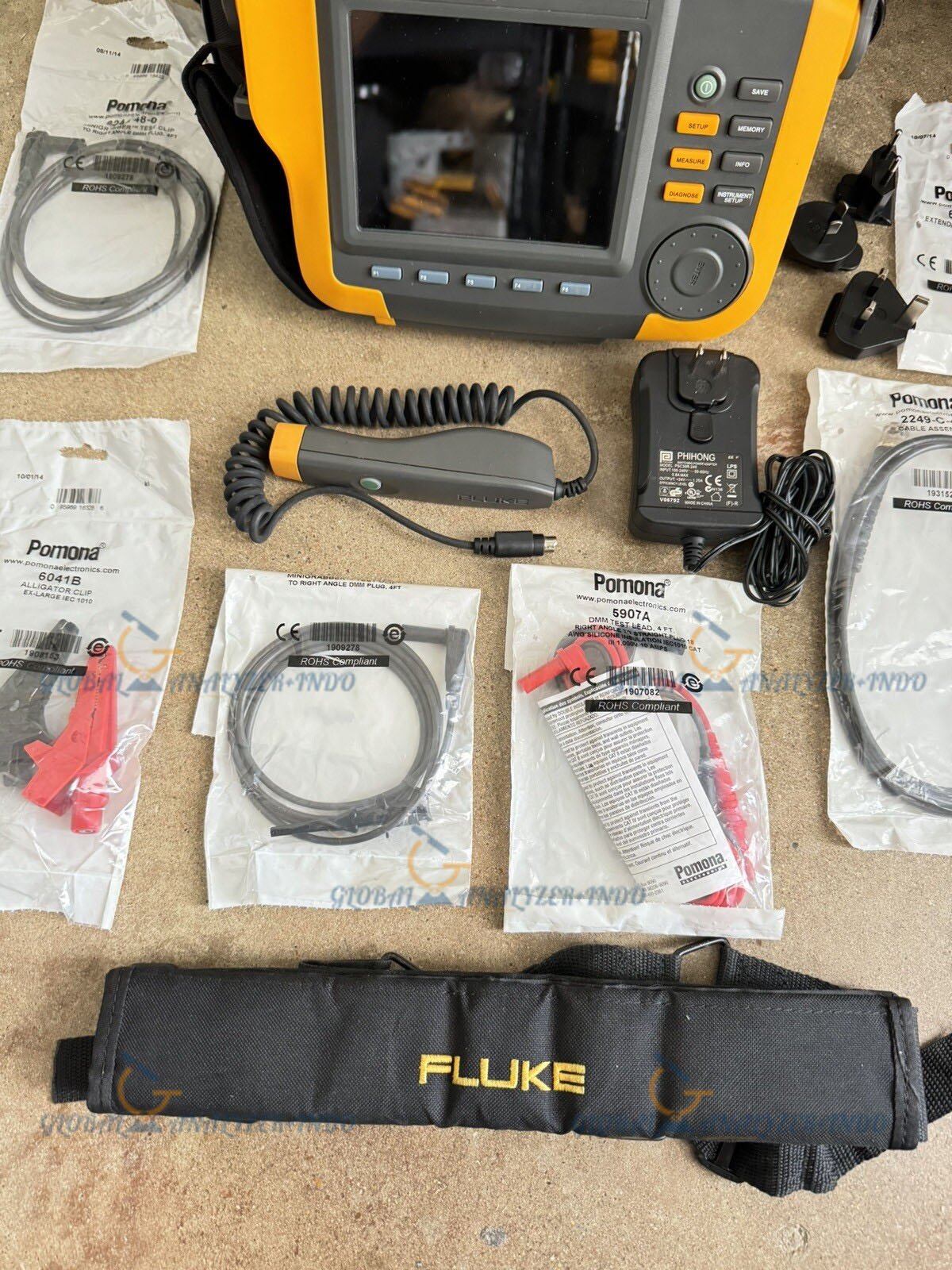
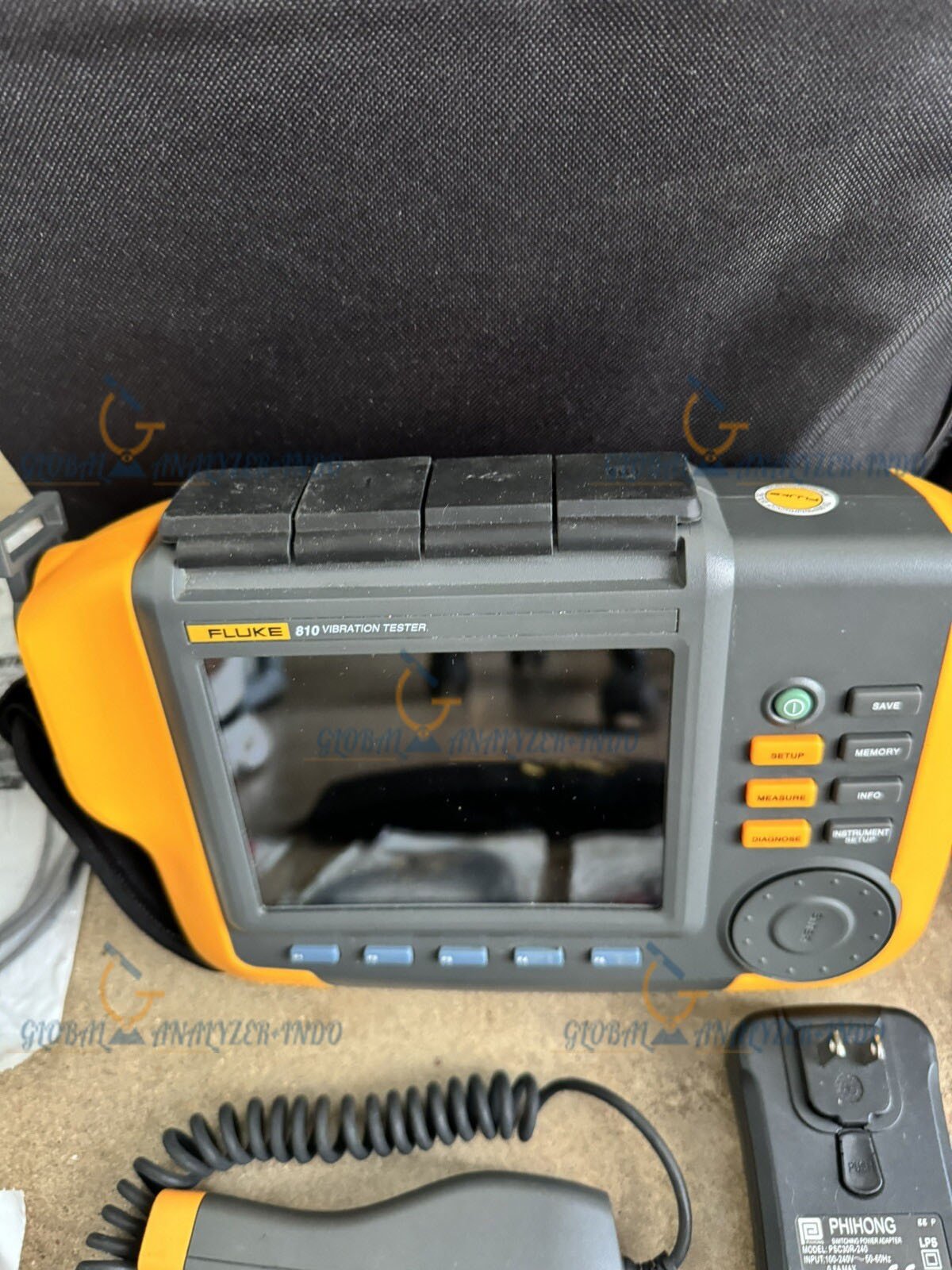
Fluke 810 Vibration Tester & Tachometer: Comprehensive Guide for Accurate Machinery Diagnostics
Introduction to the Fluke 810 Vibration Tester
The Fluke 810 Vibration Tester is a diagnostic tool designed to identify and troubleshoot common mechanical problems in rotating machinery. It provides actionable insights by measuring vibration levels, analyzing machine conditions, and guiding maintenance teams toward effective solutions. This makes it ideal for industrial environments where early detection of mechanical issues is crucial.
Why Vibration Testing Matters
Vibration analysis helps detect mechanical faults before they lead to costly downtime. With the right tools, technicians can monitor:
-
Imbalance
-
Misalignment
-
Looseness
-
Bearing wear
Early detection not only improves equipment reliability but also extends the lifespan of machinery.
Key Features of the Fluke 810
Advanced Diagnostic Technology
The tester uses an intelligent algorithm to diagnose mechanical issues, eliminating guesswork while offering clear recommendations based on measurement data.
User-Friendly Interface
A simplified menu structure and graphical display allow both beginners and experienced technicians to operate the device efficiently.
Onboard Severity Assessment
The device grades the severity of problems, helping maintenance teams prioritize repairs based on urgency.
Built-In Reporting Tools
It provides comprehensive reporting options, making it easier to document machine health and support preventive maintenance programs.
Fluke 810 Tachometer Function
Accurate Speed Measurements
The integrated tachometer captures rotational speed with high precision, ensuring that vibration readings correlate correctly with the machine’s operating conditions.
Non-Contact Capabilities
The tachometer can measure speed without physical contact, making it safer and more convenient when working with rotating equipment.
Applications of the Fluke 810 Vibration Tester & Tachometer
Industrial Maintenance
Ideal for monitoring pumps, motors, compressors, and fans in manufacturing environments.
HVAC Systems
Helps diagnose issues in air-handling units and chillers, improving system efficiency.
Energy Sector
Supports preventive maintenance in power stations and renewable energy facilities, where equipment uptime is critical.
Automotive and Transportation
Useful for analyzing rotating components such as drive shafts and engine assemblies.
Benefits for Maintenance Teams
Reduced Downtime
Early identification of equipment faults minimizes unexpected failures.
Cost Savings
Fixing small issues before they escalate leads to long-term financial benefits.
Improved Safety
Reliable diagnostics reduce the risk of catastrophic mechanical failures.
Enhanced Maintenance Planning
With accurate data, teams can shift from reactive repairs to predictive and preventive strategies.
How the Fluke 810 Improves Predictive Maintenance Programs
Real-Time Data Insights
The device provides immediate feedback on the condition of critical components.
Trend Monitoring
Technicians can track vibration levels over time to identify emerging issues.
Integration with Existing Workflows
The tester’s data can be incorporated into digital maintenance systems for streamlined reporting.
Tips for Using the Fluke 810 Effectively
Prepare the Machine
Ensure the equipment is running at normal operating conditions before taking measurements.
Follow Proper Sensor Placement
Correct placement is essential for accurate data collection.
Use the Tachometer for Best Results
Always verify rotational speed, as vibration frequencies depend heavily on machine RPM.
Interpret Data Carefully
Leverage the device’s diagnostic guidance, but also apply professional judgment when planning corrective actions.

There are no reviews yet.