
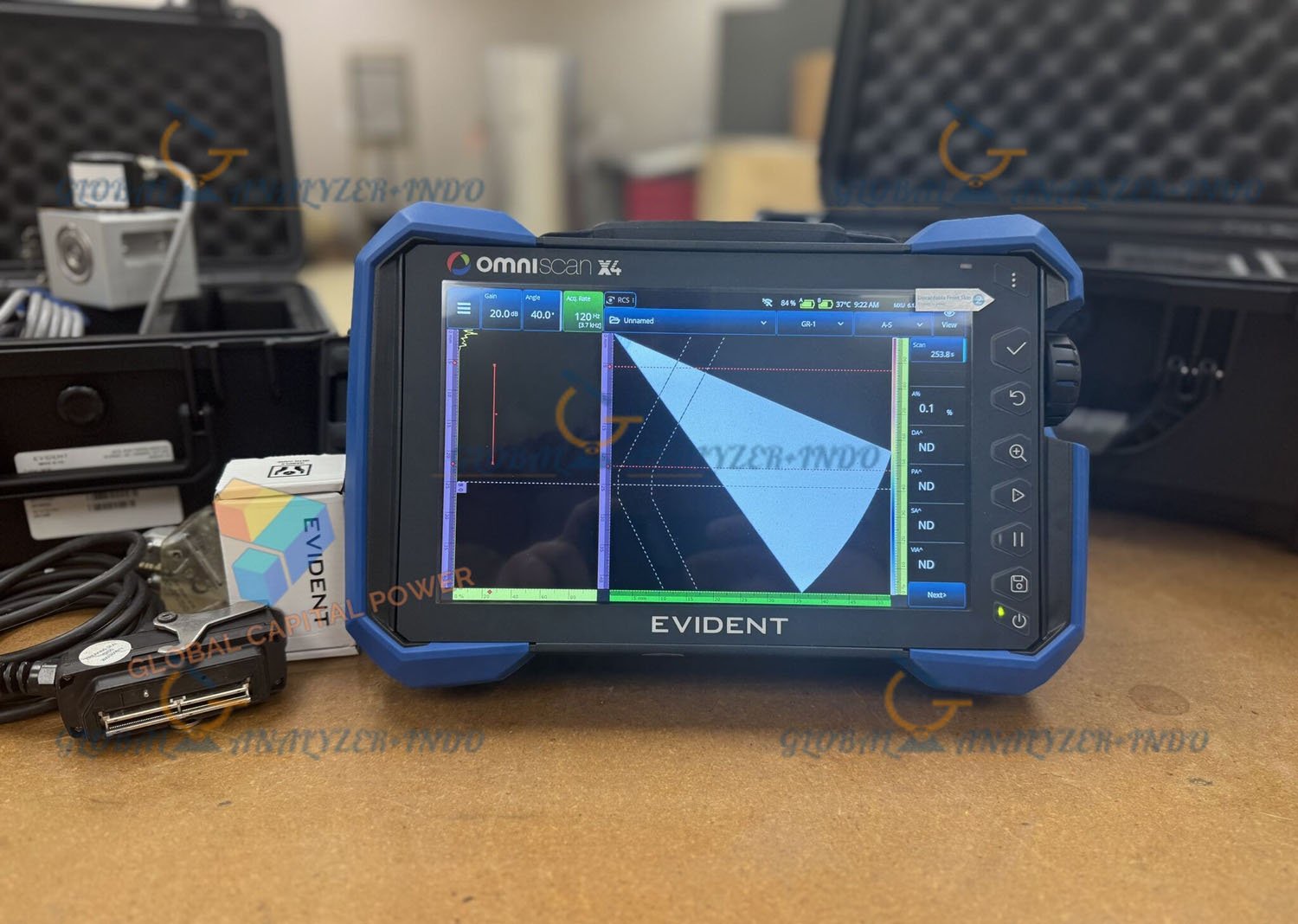
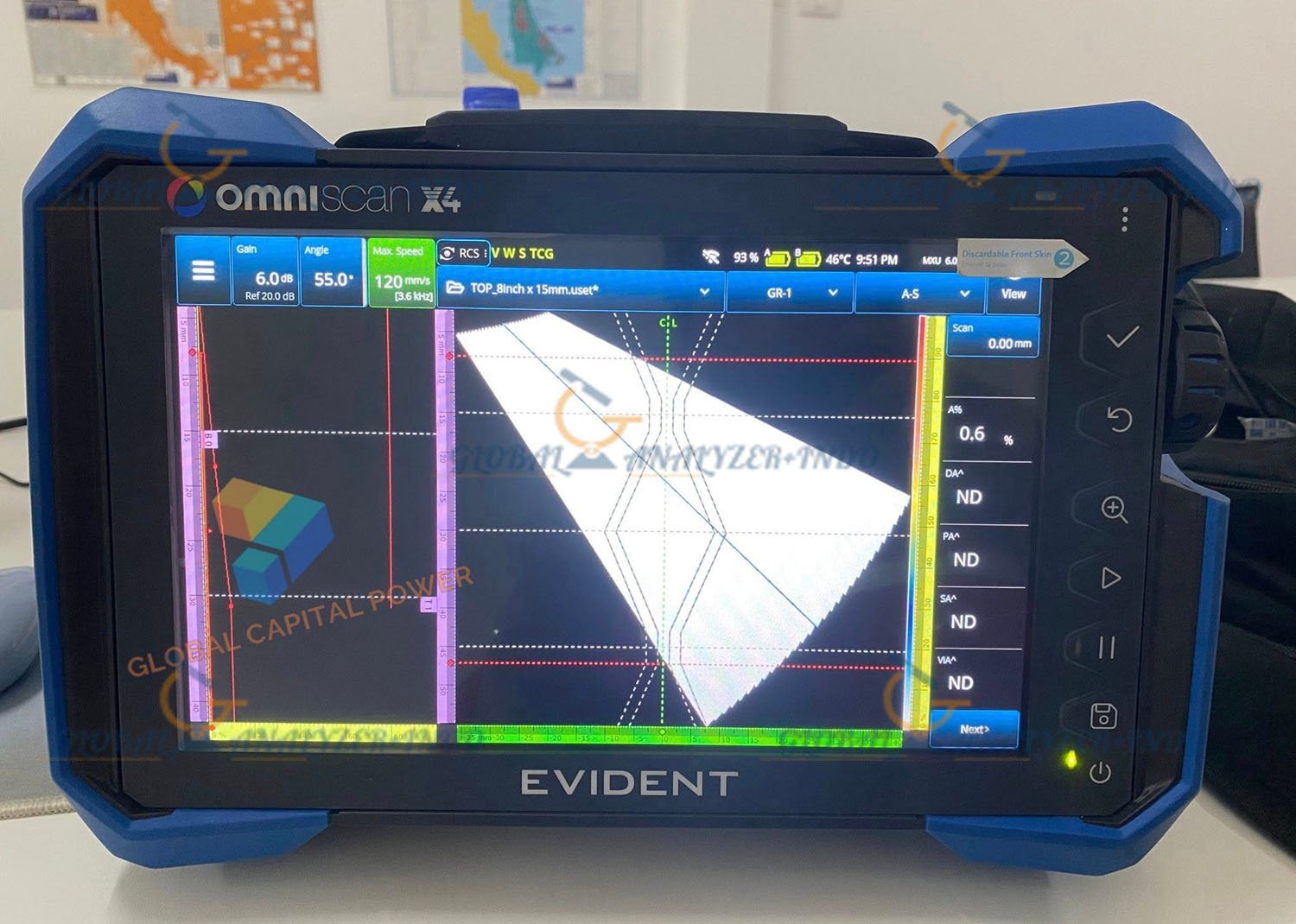
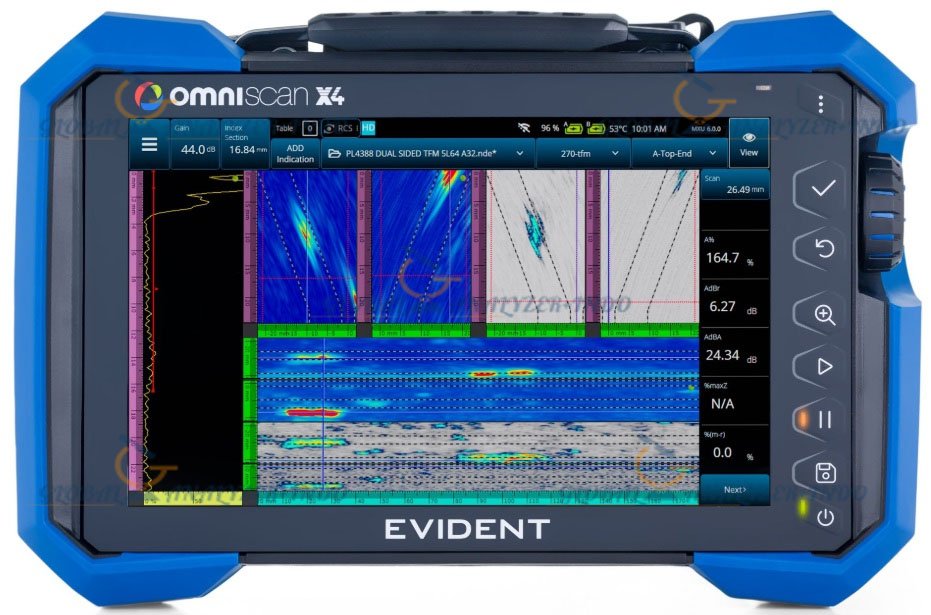
Olympus OmniScan X4 Phased Array Flaw Detector
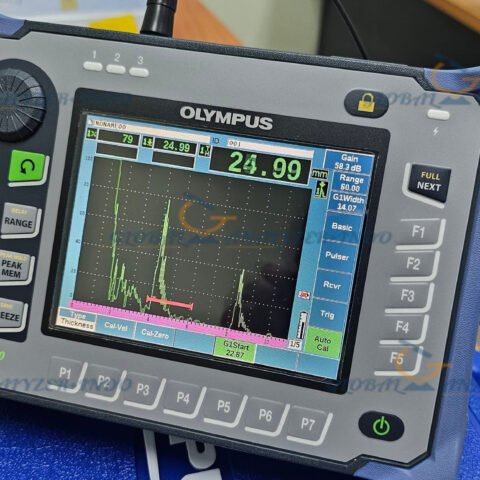
The Olympus OmniScan X4 Phased Array Flaw Detector is an advanced nondestructive testing solution designed to deliver precise and reliable flaw detection in industrial inspection applications. In industries where safety, quality, and structural integrity are critical, accurate inspection tools are essential. Therefore, the OmniScan X4 helps inspection professionals evaluate materials with confidence and efficiency.
Purpose of Phased Array Flaw Detection
The primary purpose of phased array flaw detection is to identify internal defects such as cracks, voids, or inclusions without damaging the material. As a result, inspectors can assess component integrity while maintaining operational continuity. Moreover, this method supports preventive maintenance and quality assurance programs.
Olympus Expertise in Nondestructive Testing
Olympus has a long-standing reputation in the field of nondestructive testing technology. Consequently, the OmniScan X4 reflects this expertise by combining high-performance hardware with intuitive software for reliable inspection results across diverse applications.
Key Features of Olympus OmniScan X4 Phased Array Flaw Detector
The OmniScan X4 is engineered to support complex inspections with consistency and accuracy. In addition, its features focus on performance, usability, and adaptability.
Advanced Phased Array Ultrasonic Technology
Phased array ultrasonic testing enables precise control of sound beam direction and focus. Therefore, the OmniScan X4 provides detailed imaging and improved defect characterization. Furthermore, enhanced resolution supports accurate interpretation of inspection data.
High-Speed Data Acquisition and Processing
Inspection efficiency is essential in industrial environments. As a result, the OmniScan X4 offers high-speed data acquisition and processing capabilities. Consequently, inspectors can complete evaluations faster without compromising data quality.
Intuitive User Interface and Workflow
Ease of use plays a key role in inspection accuracy. For this reason, the OmniScan X4 features an intuitive interface that simplifies setup and data interpretation. Moreover, streamlined workflows help reduce operator error and improve productivity.
Applications of Olympus OmniScan X4 Phased Array Flaw Detector
The versatility of the OmniScan X4 allows it to be used across a wide range of industries. Therefore, it is a valuable tool for inspections that require precision and reliability.
Oil and Gas Industry
In the oil and gas sector, structural integrity is critical for safety and regulatory compliance. As a result, the OmniScan X4 is used to inspect pipelines, pressure vessels, and welds. Furthermore, early defect detection helps prevent failures and costly downtime.
Power Generation and Energy
Power generation facilities rely on regular inspections to ensure reliable operation. Therefore, the OmniScan X4 supports inspection of turbines, boilers, and structural components. Moreover, accurate flaw detection contributes to long-term asset reliability.
Manufacturing and Fabrication
Manufacturing environments require consistent quality control. Consequently, the OmniScan X4 is used to inspect welds and materials during fabrication processes. As a result, defects can be identified early, reducing rework and improving product quality.
Benefits of Using Olympus OmniScan X4 Phased Array Flaw Detector
Organizations that implement the OmniScan X4 gain significant operational and safety advantages. In addition, these benefits support long-term inspection efficiency.
Improved Inspection Accuracy
High-resolution imaging enhances defect detection accuracy. Therefore, inspectors can make more informed decisions regarding material integrity and maintenance requirements.
Increased Inspection Productivity
Faster data acquisition reduces inspection time. As a result, inspection teams can cover more components within limited schedules while maintaining reliable results.
Enhanced Safety and Compliance
Reliable flaw detection supports compliance with industry standards. Furthermore, accurate inspections help reduce the risk of structural failure, enhancing overall safety.
Specifications |
||||||||||||||||||||||||||||
General and Enclosure
|
Inputs and Outputs
| Ports | 2x USB 3.1, 1x video out (HDMI), 1x SDHC memory card slot, 1x communication (Ethernet) |
| Encoders | 2-axis encoder line (quadrature or clock/direction) |
| Digital Inputs and Outputs | 4 digital inputs (TTL), 4 digital outputs (TTL) including one reserved for acquisition on/off |
| External DC Supply | 18 VDC, circular 2.5 mm diameter connector, center-positive |
General Ultrasonic Specifications
| Effective Digitizing Frequency | Up to 100 MHz; User-adjustable compression factor |
| Maximum Pulse Repetition Rate (PRF) | Up to 20 kHz; Actual maximum PRF is often limited by physics (the time of flight required to obtain the ultrasonic signals) |
| Maximum Number of A-Scan Data Points | Up to 16,384 |
| A-Scan Bit Depth | 16 bits |
| Rectification | RF, full wave, half wave+, half wave− |
| Video Filtering | Smoothing (adjusted to the probe frequency range) |
| Filtering | PA channel: selection of band-pass filters, high-pass filters, and averaging UT channel: selection of low-pass filters, band-pass filters, high-pass filters, and averaging |
| Time-Corrected Gain (TCG) | PA: 40 dB per step of min. 0.1 dB UT: 100 dB per step of min. 0.1 dB Maximum slope of 40 dB/10 ns |
| Supported Beam Types (Groups) | Selection of phased array ultrasonics (PAUT) beam types (linear, sectorial, and compound), single ultrasonic beam (UT), time-of-flight-diffraction ultrasonics (TOFD), total focusing method (TFM), phase coherence imaging (PCI), full matrix capture (FMC), and plane wave imaging (PWI) |
| Raw Full Matrix Capture (FMC) Data Collection | Available only with model 64:128PR when using the NDT Device API or the OmniScan Black Box |
Acoustic Specifications
| PA Channel | UT Channels | ||
| Certification | Calibration Certification | ISO 18563-1:2022 | EN22232:2020 |
| Pulse Width | Adjustable from 30 ns to 1000 ns; resolution of 5 ns (half period of bipolar pulse or duration of negative pulse) |
Adjustable from 30 ns to 1,000 ns; resolution of 2.5 ns | |
| Pulse Shape | Bipolar negative-positive square pulse | Negative square pulse | |
| Receiver | Gain Range | 0 dB to 80 dB; maximum input signal 900 mVp-p (full-screen height). | 0 dB to 120 dB; maximum input signal 30 Vp-p (full-screen height) |
| System Bandwidth | 0.2 MHz to 26.5 MHz | 0.25 MHz to 28.5 MHz |
PAUT Specifications
|
||||||||||||||||||||||||||||||||||||||||
FMC / TFM / PCI / PWI Specifications
|
||||||||||||||||||||||||||||||||||||||||
Packages Includes:
– OmniScan X4 unit (16:64PR, 16:128PR, 32:128PR, or 64:128PR)
– 2x Lithium-ion batteries (87 Wh each) providing ~5 hours of operation
– Dual-bay smart battery charger (compatible with 100 – 240 VAC)
– AC power adapter and cord
– USB 3.1 cable
– Ethernet cable
– HDMI video-out cable
– SDHC/SDXC card (typically 32 GB pre‑installed)
– Stylus pen for touchscreen
– User manual & quick-start guide
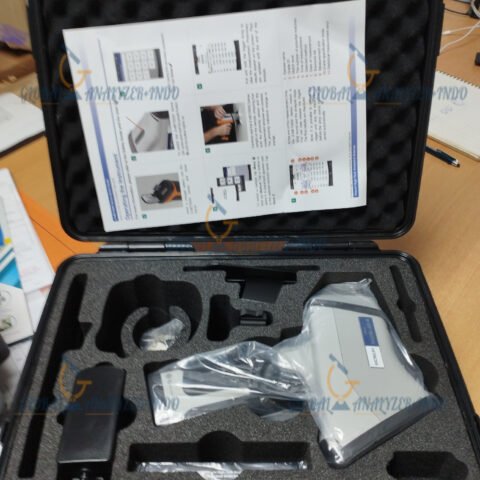
– Soft-sided carrying case and a hard case
– Wi‑Fi/Bluetooth antenna
– 1-year license or access code for onboard MXU 6 software (quarterly updates included thereafter)
– Warranty card (standard 2-year coverage in most regions)
– Calibration plates
– Calibration certificate

There are no reviews yet.