
XRF Handheld Spectrometers for Metal Alloy Analysis: Reliable, Portable Element Testing
Handheld XRF spectrometers — such as devices comparable to Niton or XL2 — provide fast, non-destructive elemental analysis, making them essential tools for metal alloy testing, scrap sorting, quality control, and on-site inspections in diverse environments from workshops to recycling yards and industrial plants.
What Is a Handheld XRF Spectrometer?
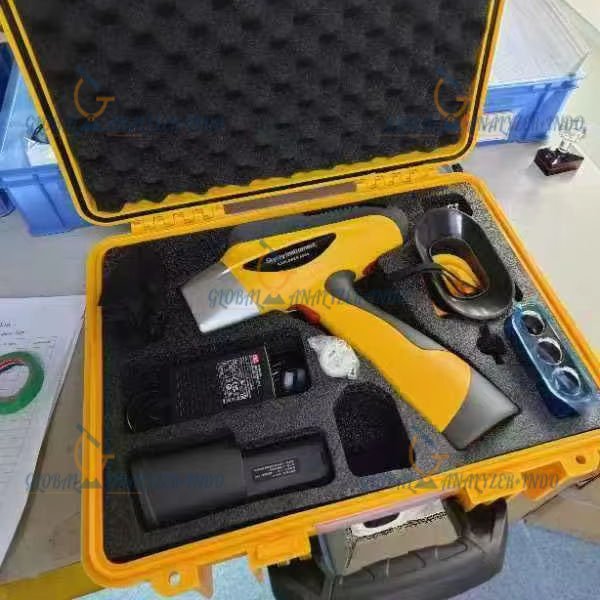
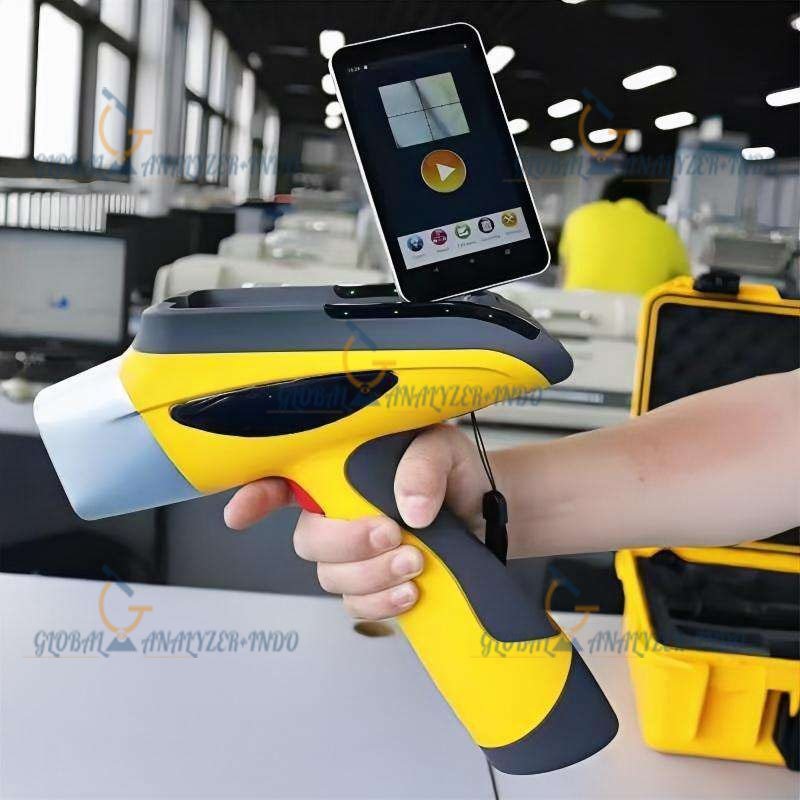
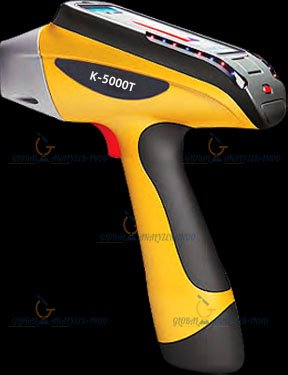
A handheld X-ray fluorescence (XRF) spectrometer is a portable analyzer that uses X-ray excitation to detect elemental composition. Instead of sending samples to a lab, users can obtain real-time elemental data directly at the point of inspection, significantly speeding up decision-making and reducing costs.
Key Advantages of Handheld XRF Devices
-Portability and mobility — compact size and light weight for field or shop floor use.
-Rapid results — elemental breakdown within seconds rather than hours/days.
-Non-destructive testing — preserves the integrity of the sample (no cutting or sampling needed).
-Versatility — suitable for many metals and alloys: steel, aluminum, copper, nickel, precious metals, and more.
Common Applications for Metal Alloy Handheld XRF
Scrap Sorting and Metal Recycling
Handheld XRF devices make scrap classification fast and accurate, distinguishing different alloy grades and maximizing recovery value.
Quality Control in Manufacturing & Fabrication
They verify alloy composition before and after manufacturing, welding, or machining to ensure compliance with specifications.
Precious Metal & Jewelry Verification
XRF analyzers are used for authentication of gold, silver, platinum, and their alloys without damaging the jewelry or bullion.
Field Inspection & On-Site Testing
In mining, construction, or maintenance contexts, inspectors can analyze metal parts, structures, or raw materials in situ — no lab required.
What to Look for When Choosing a Handheld XRF Spectrometer
Detector Quality & Sensitivity
High-performance detectors (e.g. silicon drift detector — SDD) provide better resolution and detect trace elements more reliably.
Calibration and Alloy Libraries
Pre-loaded libraries for common alloys and metals — and the ability to create custom calibrations — improve accuracy and versatility.
Ergonomics and Portability
Lightweight, rugged design ensures comfort and durability during extended fieldwork.
Software & Connectivity
Intuitive touchscreen interface, data storage, and connectivity (USB, Bluetooth, WiFi) facilitate data management and reporting.
Example: Features of a Typical Handheld XRF Alloy Analyzer
-Fast detection of major and trace elements (e.g. Fe, Ni, Cr, Cu, Al, Ti)
-Real-time grade identification from built-in libraries
-Non-destructive testing — suitable for finished parts, scrap, or raw materials
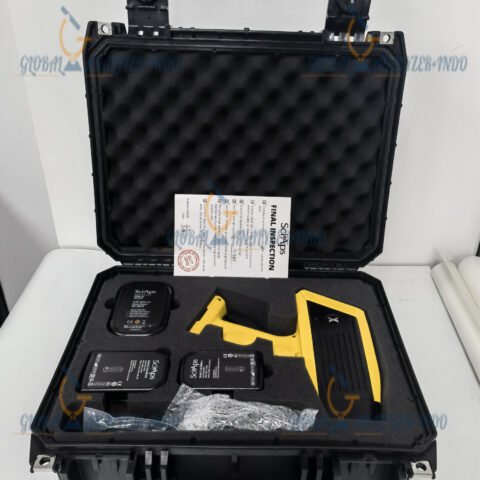
-Field portability with battery power, rugged housing, and ergonomic grip
-Data export and reporting for QC, compliance, or documentation
Why Industries Rely on Handheld XRF Spectrometers
Speed & Efficiency
Inspection or sorting tasks that once required lab analysis are now completed in seconds — increasing throughput, reducing downtime, and lowering costs.
Flexibility
From recycling yards to jewelry shops to construction sites — handheld XRF works across many sectors, reducing the need for multiple specialized tools.
Cost Savings & Reduced Waste
By avoiding destructive sampling and minimizing lab use, companies save money and reduce material wastage or rework.

There are no reviews yet.